Bien-être 27/12/2025
Turmeric, a Natural Ally Against Rheumatism
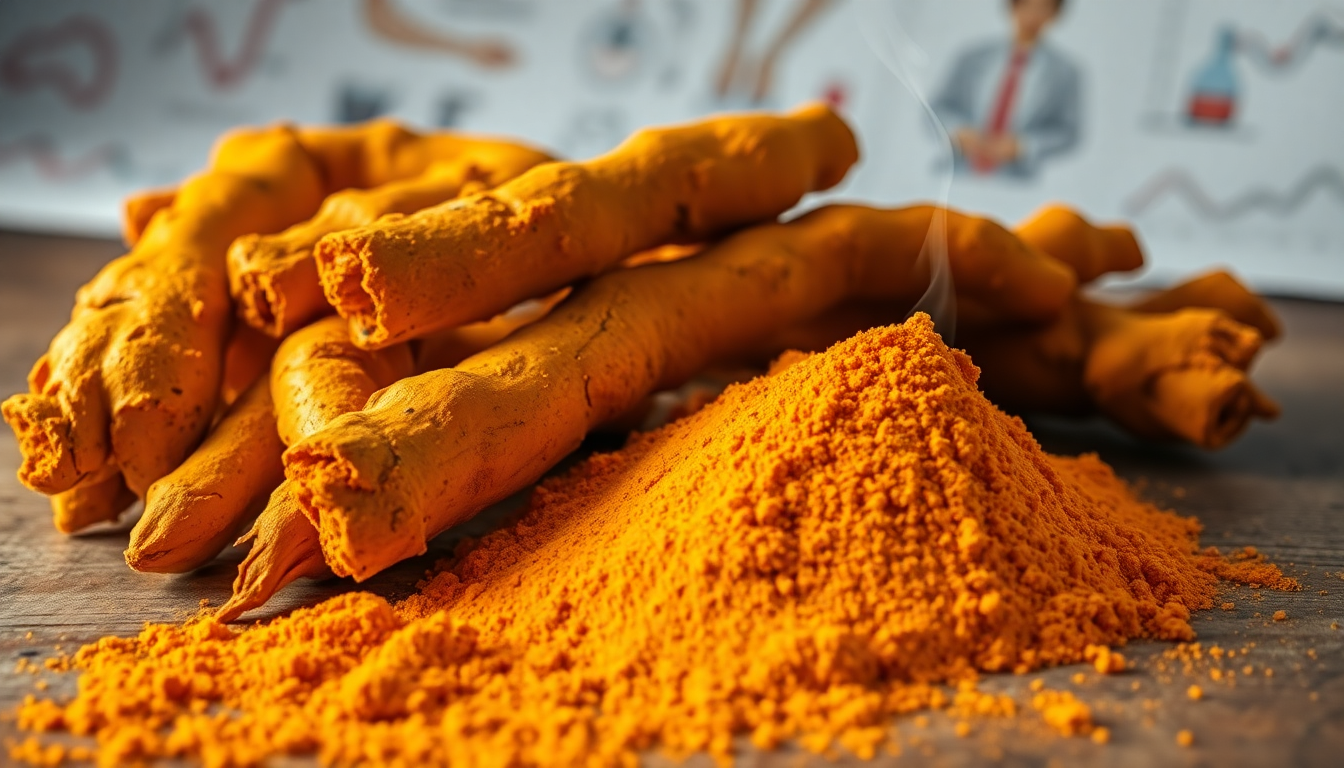
Turmeric, a spice with ancient virtues, is increasingly standing out as a choice ally in the fight against rheumatism. With its recognized anti-inflammatory and antioxidant properties, this plant originating from Asia is the subject of numerous studies that confirm its therapeutic potential. Let's explore together the benefits of turmeric and how it can help you relieve your rheumatic pain.
Understanding Rheumatism and the Role of Turmeric
Rheumatism encompasses a group of pathologies affecting the joints, bones, muscles, and connective tissues. Among the most common are osteoarthritis, rheumatoid arthritis, gout, and ankylosing spondylitis. These conditions are generally characterized by pain, stiffness, and chronic inflammation, which can greatly impact the quality of life of affected individuals.
This is where turmeric comes in, with its powerful anti-inflammatory and antioxidant properties. Thanks to its high content of curcuminoids, this spice with multiple virtues acts by targeting the mechanisms at the origin of inflammatory processes. Its use could thus help relieve symptoms related to rheumatism and improve the well-being of patients.
Active Compounds of Turmeric and their Effects
Turmeric owes its therapeutic virtues to the presence of bioactive molecules called curcuminoids. Among them, curcumin is mainly found, considered the most active and most studied compound. The latter has anti-inflammatory, antioxidant, anti-arthritic, and even anti-cancer properties.
Curcuminoids act by modulating the activity of certain enzymes and signaling pathways involved in inflammatory processes. They notably inhibit the production of pro-inflammatory mediators such as prostaglandins, leukotrienes, and cytokines. This targeted action helps reduce inflammation and relieve joint pain.
In addition, turmeric is rich in antioxidants that neutralize free radicals, responsible for cellular damage and the worsening of rheumatic pathologies. This combination of anti-inflammatory and antioxidant effects makes turmeric a choice ally for the management of rheumatism.
How Does Turmeric Help with Rheumatism?
The properties of turmeric result in concrete benefits for people suffering from rheumatism. Here's how this spice can help you relieve your symptoms:
Pain Reduction
Thanks to its anti-inflammatory effects, turmeric can help reduce joint and muscle pain associated with rheumatism. Curcuminoids act by blocking the production of pain-causing substances, thus allowing for better pain management.
Inflammation Management
Chronic inflammation is one of the main drivers of rheumatic pathologies. Turmeric, due to its anti-inflammatory properties, can help reduce swelling, redness, and heat in the affected joints.
Improved Mobility
By reducing inflammation and pain, turmeric can help improve joint mobility and flexibility. This results in a better range of motion and a reduction in joint stiffness.
Joint Protection
In addition to its anti-inflammatory effects, turmeric also has chondroprotective properties. Its active compounds can help preserve the structure and function of cartilage, thus limiting joint degradation.
Scientific Evidence and Clinical Studies
Numerous scientific studies have highlighted the benefits of turmeric in the management of rheumatism. Here are some key results:
- A systematic review of the literature showed that turmeric was as effective as some non-steroidal anti-inflammatory drugs (NSAIDs) in relieving osteoarthritis-related pain.
- A randomized study revealed that taking turmeric led to a significant reduction in pain and inflammation in patients with rheumatoid arthritis.
- Research has shown that turmeric can slow the progression of osteoarthritis and improve joint function in affected individuals.
- Patient testimonials report a notable improvement in their quality of life and a decrease in medication intake after the introduction of turmeric into their treatment.
These promising results are increasingly encouraging healthcare professionals to consider turmeric as a complementary therapeutic option in the management of rheumatism.
Practical Use and Recommendations
To fully benefit from the advantages of turmeric, it is important to follow certain recommendations:
Dosage and Form of Consumption
The effective dose of turmeric generally varies between 500 and 1,000 mg per day, to be divided into several doses. You can consume it in capsule form, powder, or incorporate it into your diet (curries, smoothies, etc.).
Bioavailability and Absorption
To optimize the absorption of curcuminoids, it is recommended to combine them with fatty substances (oil, milk, etc.) or black pepper, which contains piperine, a compound that improves bioavailability.
Precautions and Side Effects
Turmeric is generally well-tolerated, but minor side effects such as stomach upset or allergies can sometimes occur. It is advisable to consult a healthcare professional before any use, especially if you are taking other medications.
Integration into Conventional Treatments
Turmeric can be used in conjunction with conventional treatments (NSAIDs, corticosteroids, etc.) under medical supervision. This combined approach can help reduce medication doses and optimize the management of rheumatism.
Conclusion: A Promising Natural Ally
Turmeric, with its anti-inflammatory and antioxidant properties, stands out as a choice ally in the management of rheumatism. Numerous scientific studies and patient testimonials confirm its benefits in relieving pain, reducing inflammation, and preserving joint function.
Although further research is still needed, the use of turmeric, in consultation with your doctor, can represent a natural and complementary therapeutic approach in the treatment of your rheumatism. Do not hesitate to discuss it with your healthcare professional to consider this option and improve your quality of life.